OUR JOURNEY

Decades in the Institutional Soil
Dr. P. Rajendran began his official journey in agricultural research on November 25, 1983, joining Kerala Agricultural University as a Junior Assistant Professor in Horticulture. Across these early decades—earning his Commonwealth Fellowship, completing a PhD in Biotechnology, and undertaking post-doctoral fellowships in Molecular Biology and Genetics abroad—he dedicated his career to public-sector farming and laboratory science. Every field posting and international assignment quietly laid the foundation for his deep collection of global germplasm.
Finding Our Roots in Wayanad
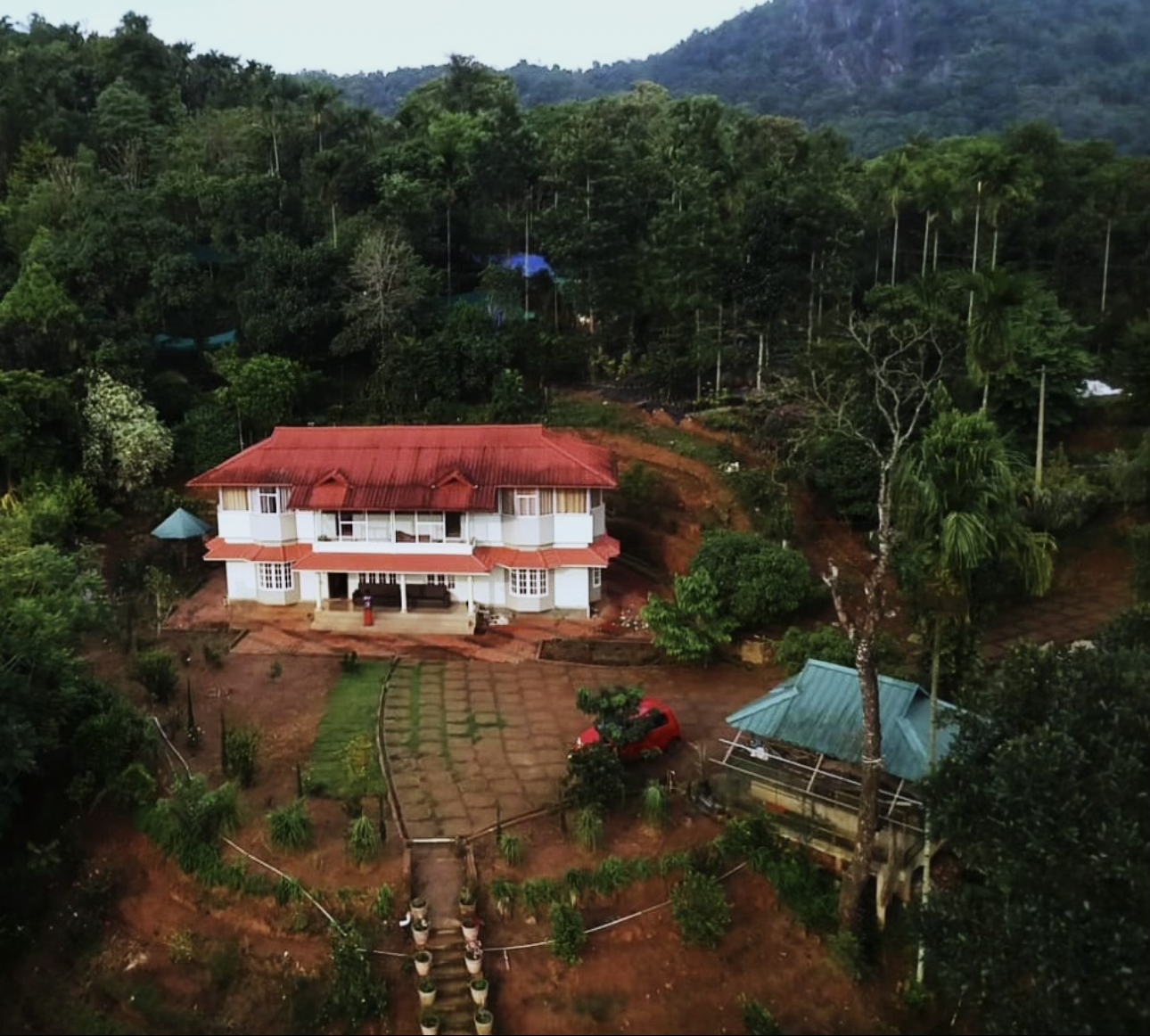
While still in active service, the family purchased a modest patch of land near the historic Edakkal Caves in Ambalavayal. At the time, it was simply a hillside coffee plantation. Over the years that followed, as the boundaries expanded,
Dr. Rajendran began introducing rare and exotic saplings brought home from research trips and botanical expeditions, gradually transforming a quiet coffee estate into a flourishing private collection.
Institutional Transformation & Public Fests
Alongside nurturing the land in Wayanad, Dr. Rajendran took charge of major research stations for KAU. He transformed ARS Anakkayam, turning it into a thriving model station and growing its income 64-fold.
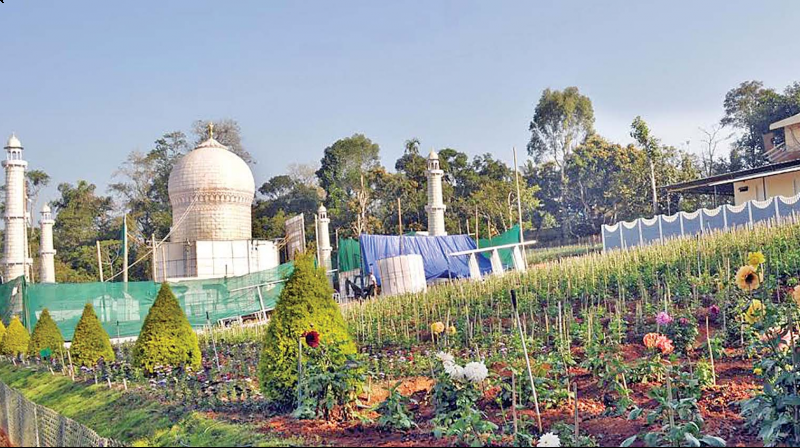
Later, as Associate Director of Research at RARS Ambalavayal, he increased revenues eight-fold, founded the iconic Pooppoli International Flower Show, launched international festivals for jackfruit, orchids, and avocados, and established the College of Agriculture in Wayanad in 2018.
Retiring into Manava Seva
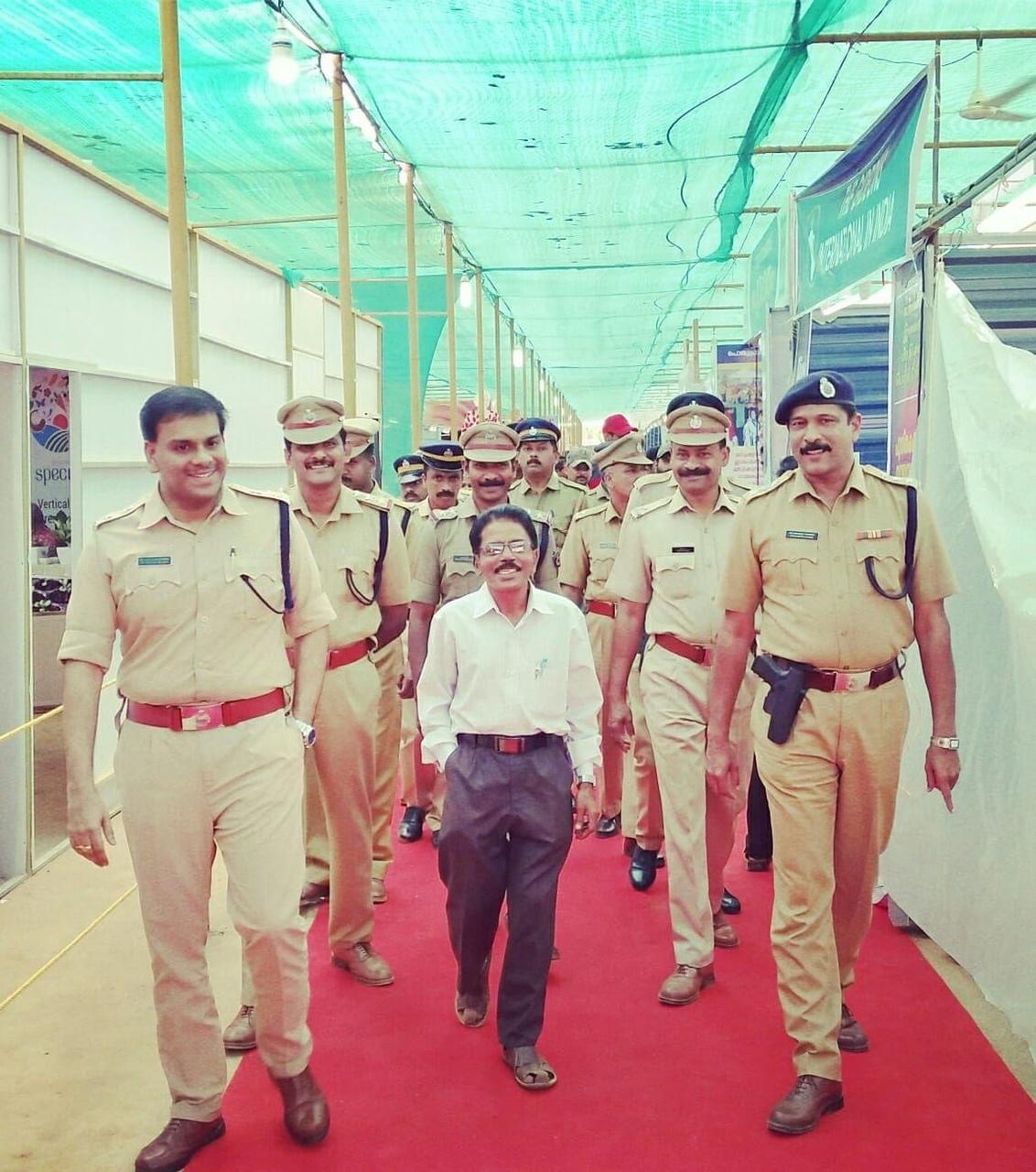
After 36 years of institutional leadership, Dr. Rajendran retired from university service on January 31, 2019. Rather than setting his tools down, he made a conscious choice to devote the rest of his life to Manava Seva—serving humanity through the earth—by turning his personal collection of trees and plants into an open resource for the farming community.

The Family Trust Takes Form
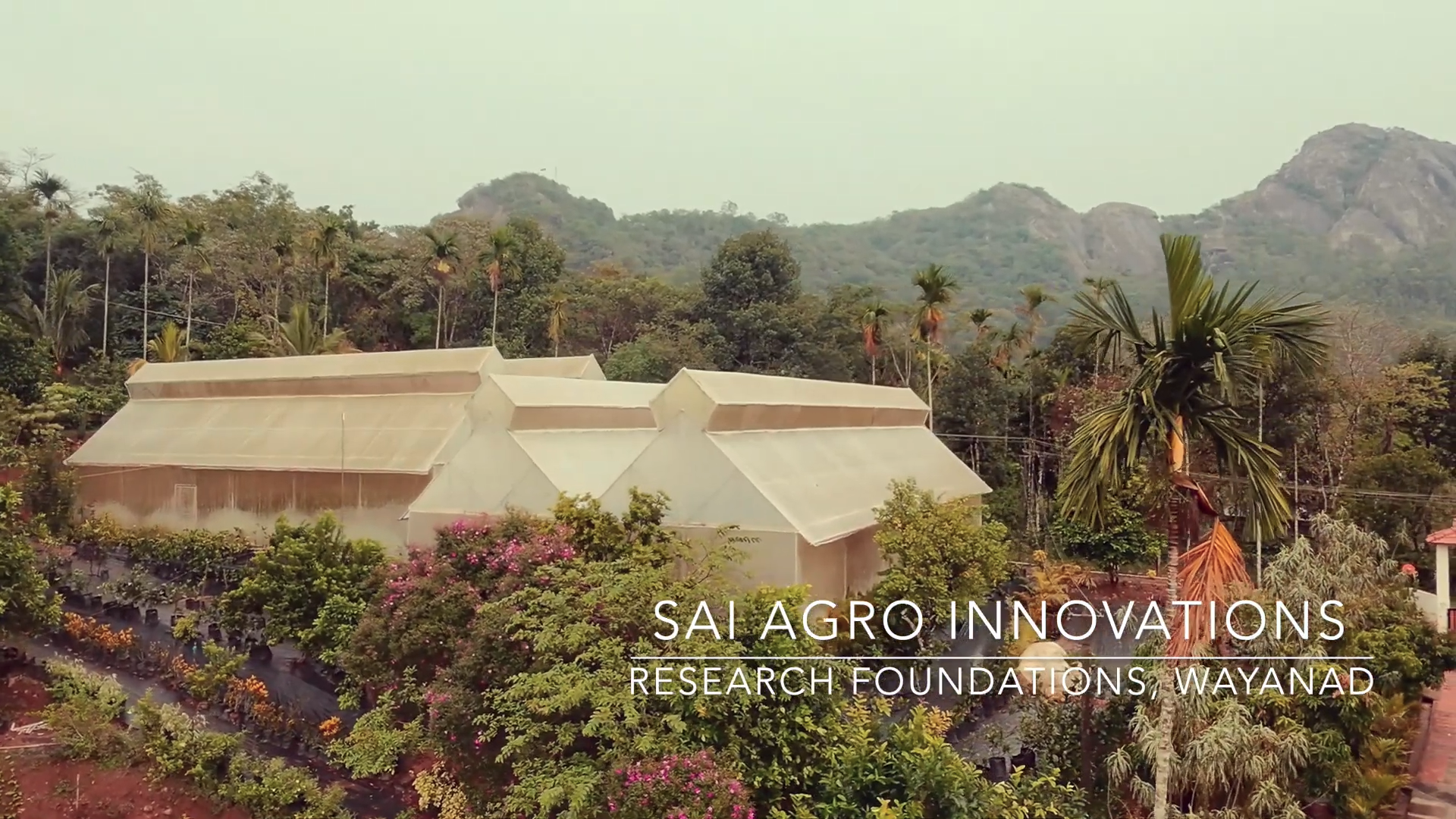
What started as a retired scientist’s botanical retreat grew into a dedicated family undertaking. We formally registered the foundation as a public charitable trust: Sai Agro Innovations Research Foundation (SAIRF).
Building the Digital Nursery & Helping Hands
We set up our first working initiatives: SAI Sahay for direct farmer consultations and field visits, SAI Network to bridge farmers with practical expertise, and SAI Gardens to distribute verified, quality saplings and grafts. That same year, the 4-acre property was blanketed with campus-wide Wi-Fi and automated irrigation systems, proving that modern engineering could work alongside living soil.
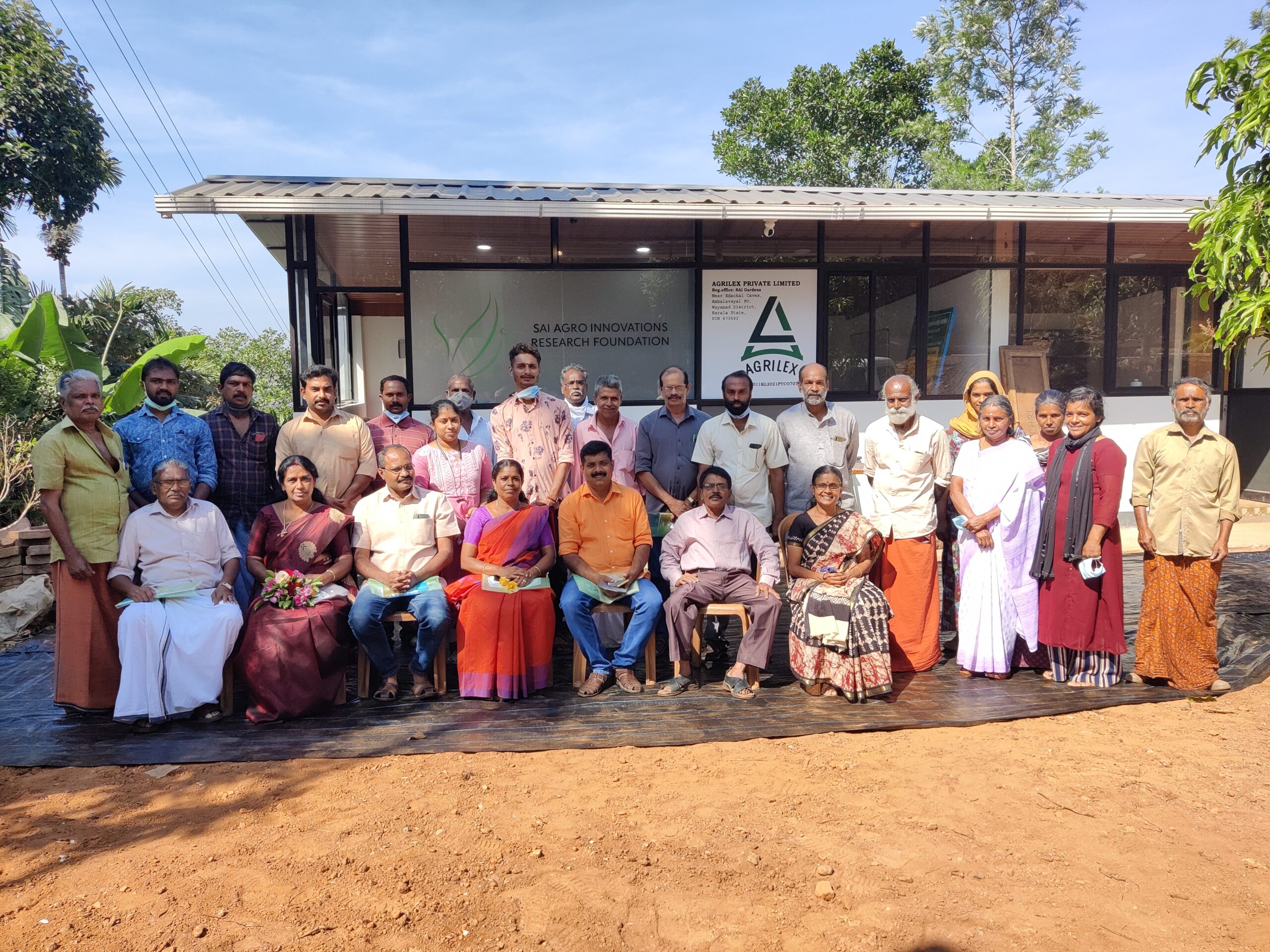
SAI Vidhya & The State Farm School
We launched our formal educational wing, SAI Vidhya, to turn our fields into open classrooms. Partnering with the Kerala State Biodiversity Board under the Rebuild Kerala Initiative (RKI), our grounds officially hosted the state-backed Farm School, welcoming local cultivators to learn climate-resilient practices hands-on.
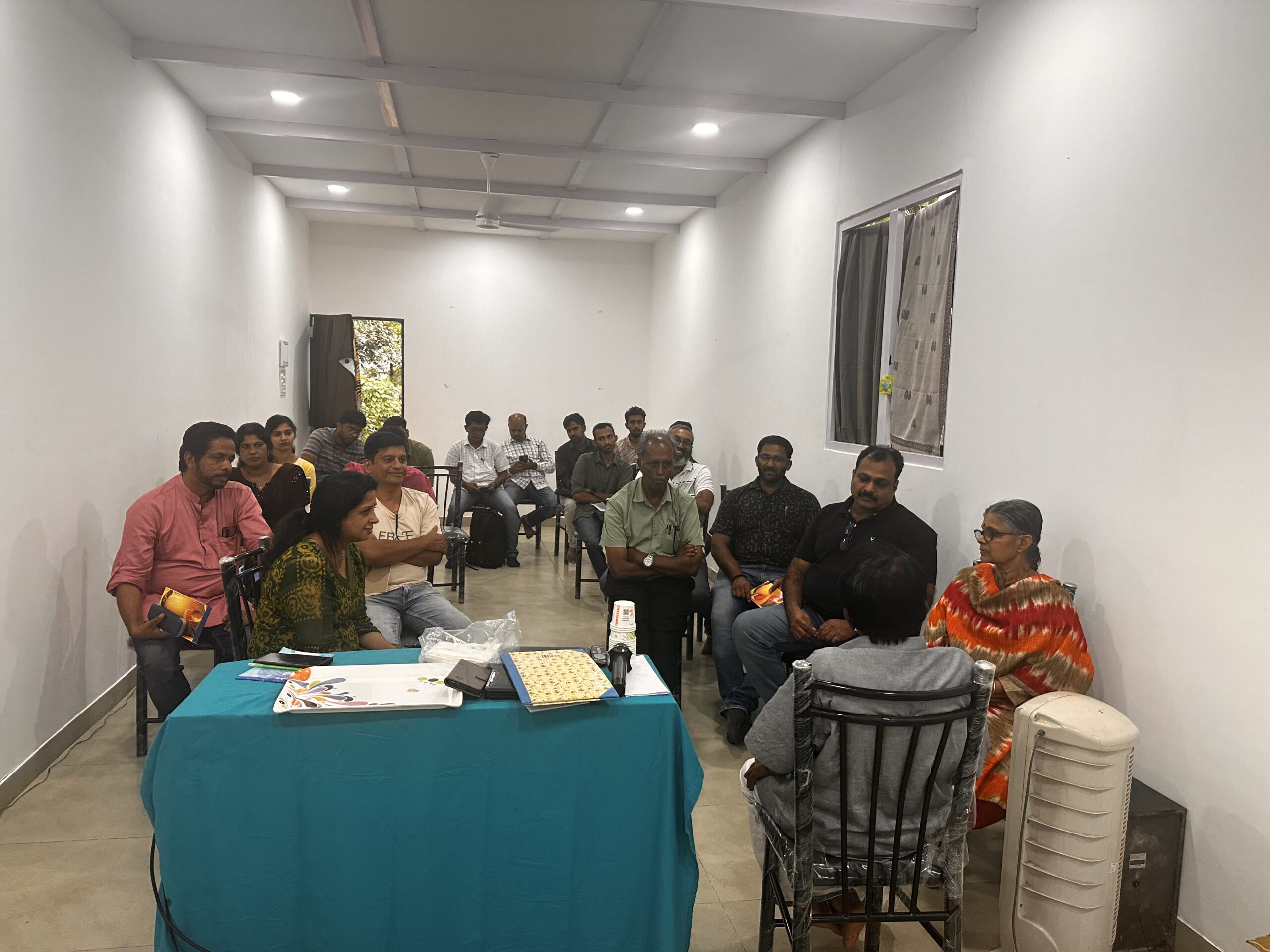
BODHI Hall, Legal Defense & Mental Health
We built and inaugurated BODHI, our seminar hall outfitted with audio-visual facilities to host larger cohorts of students and growers. Realizing that agrarian distress extends well beyond the crop, our family broadened the foundation’s mission: Adv. Rema Rajendran established SAI Justice to offer pro bono legal counsel on land rights and documentation, while SAI Cares was created to quietly offer psychological support to farming families under stress.
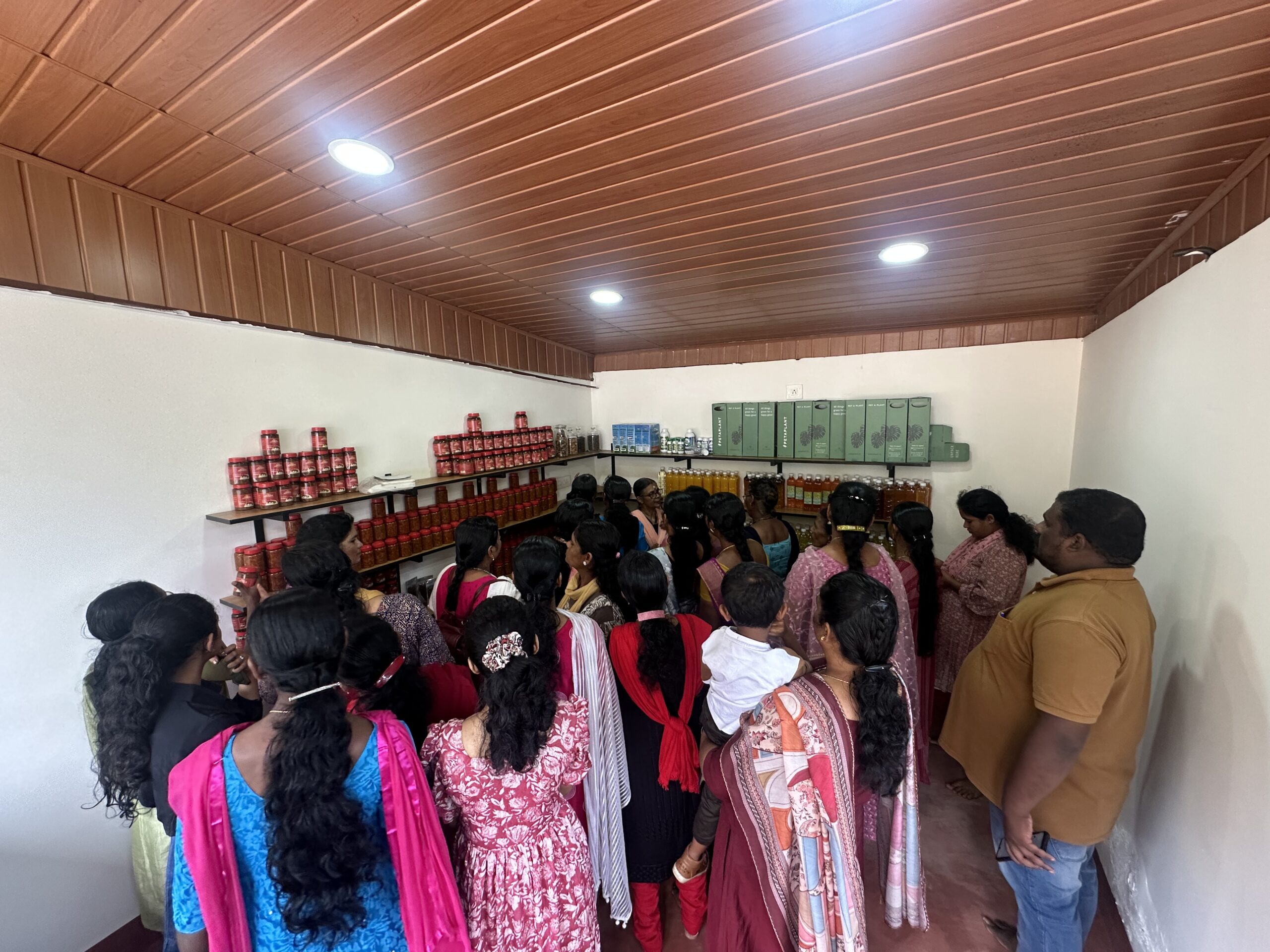
SAI Amrut & Post-Harvest Enterprise
Rema’s passion for entrepreneurship lead the launch of SAI Amrut, introducing our first line of 15 commercialized, value-added products. By processing farm produce right on site, we demonstrated to local growers how post-harvest utilization could create dependable secondary income streams.
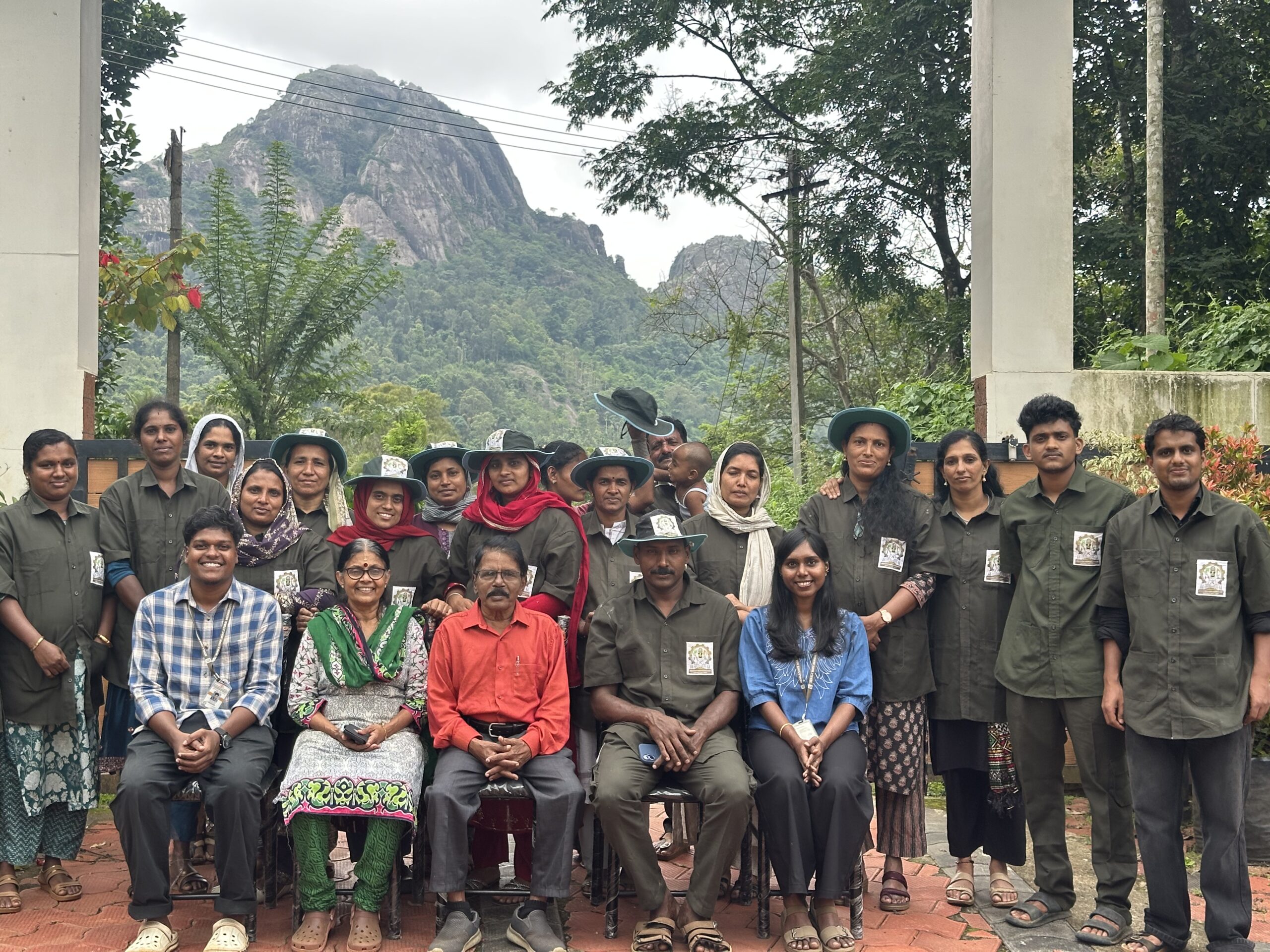
Crossing 25 Workshops & Launching PetAPlant
BODHI celebrated the milestone of completing 25 intensive farmer workshops. To make our rare germplasm accessible to collectors, researchers, and home gardeners across the country, we launched our online platform, PetAPlant, sending carefully nurtured plants directly to doorsteps nationwide.
Museum OF Plants
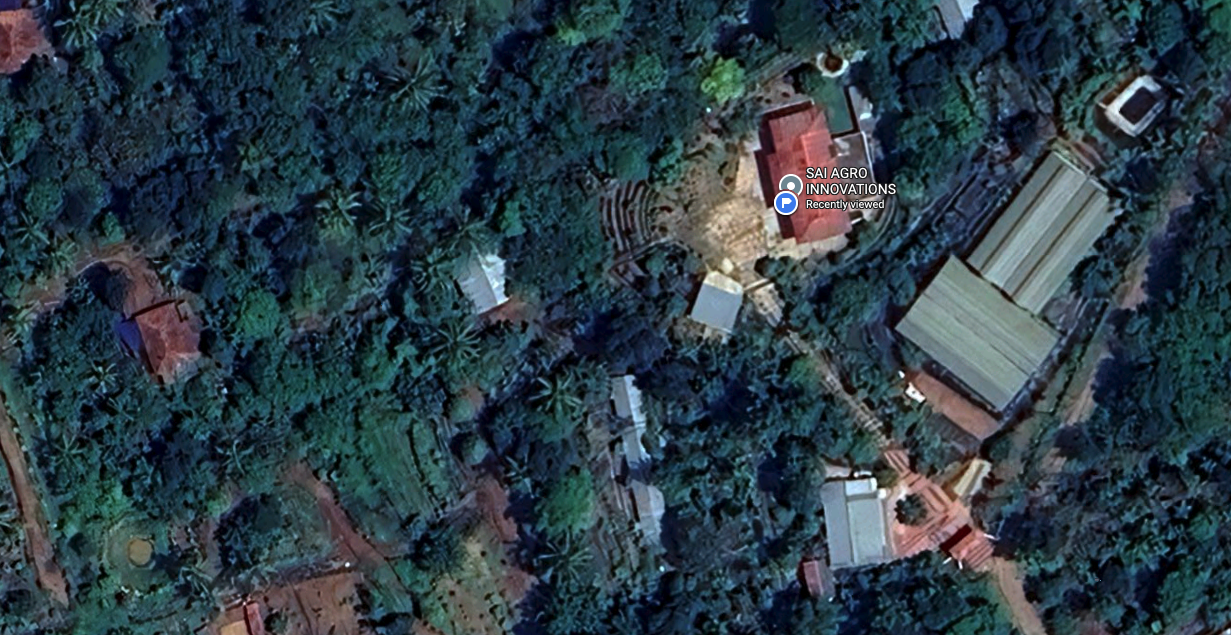
The quiet hillside coffee plot of 2005 has grown into the Museum of Plants—housing over 1,500 species from 120 countries, all tagged with scannable QR codes for visitors. Today, the campus functions as a complete, circular ecosystem where poultry, farm animals, freshwater aquaculture, and global botanical rarities flourish in living harmony.